Treatments
Hair Loss Treatments, Explained
The recognised treatments, what the evidence roughly says, realistic timelines, and how to spot hype before you pay for it.
- 8 lessons
- Written, printable
$47one-time
Before you spend money on any treatment, it helps to know what is actually happening. This course explains the hair growth cycle in plain words, the difference between shedding and breakage, the common types of hair loss in men and women and what usually sets them off, the myths worth ignoring, how to track changes at home with consistent photos, and how to prepare for a useful appointment with a doctor or dermatologist.
In a deliberate order. Each lesson explains one topic in plain language, gives you a checklist or a table you can use, and ends with a short assignment and when to see a doctor.
You will know how this course works, what it can and cannot do for you, and how a single hair grows, rests and falls out.
You will be able to tell a shed hair from a broken one and set up a simple, consistent way to track your hair at home.
You will understand how pattern hair loss usually looks in men and in women, what the Norwood and Ludwig scales describe, and why only a doctor can say what is behind your own thinning.
You will understand telogen effluvium, why the shedding often starts 2 to 3 months after a trigger, and how to build a timeline that helps a doctor.
You will recognize the signs that can point to alopecia areata, traction alopecia, scarring alopecias and a fungal scalp infection, and know why each one needs a doctor.
You will know which medical causes a doctor may look into, why you should never stop a medicine on your own, and which popular hair myths you can stop worrying about.
You will be ready for a primary care or dermatology appointment with clear notes and good questions, and you will have practical ways to look after your mood.
You will have a written 12-week tracking plan that brings the whole course together, plus a short list of signs that mean see a doctor soon.
Right after payment you see your access button, and the same personal link is emailed to you. Open it on any device to read every lesson. There is no account and no password to remember.
Lost the email? Use Resend my access and a new link arrives in minutes.
Education, not medical advice. Our courses explain hair loss and the recognised options; they do not diagnose or treat, and they never replace a doctor, dermatologist or surgeon. Read the medical disclaimer.
The Complete Library includes this course and the other 5, 48 lessons in all, for $147. That saves $135 against buying them one by one.
Treatments
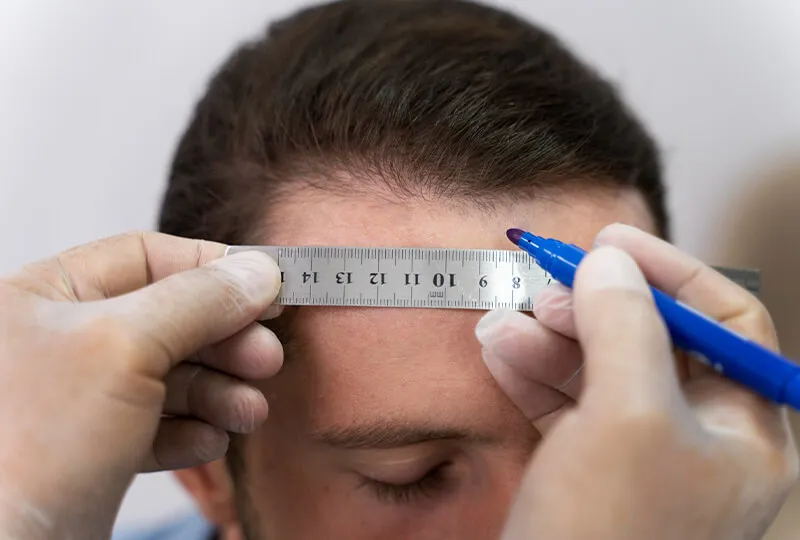
The recognised treatments, what the evidence roughly says, realistic timelines, and how to spot hype before you pay for it.
Hair transplant
FUT, FUE and DHI explained, who tends to be a good candidate, how to check a clinic and a surgeon, and the questions to ask before you book.
Aftercare
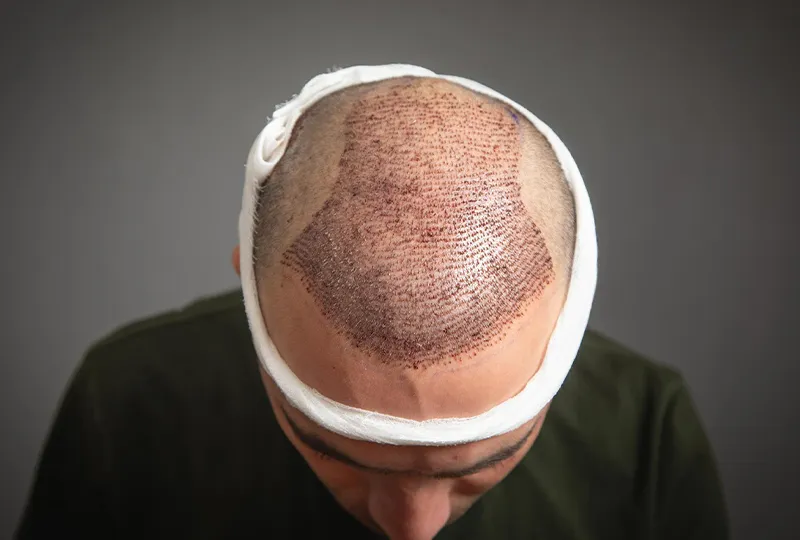
What usually happens day by day and month by month after a hair transplant, the reasons behind common aftercare rules, and the warning signs to act on.
Daily care
Washing, products, dandruff, gentle styling, food and habits that support a healthy scalp, with no miracle claims.
Styling
Haircuts, products, colour, fibres, toppers, wigs and scalp micropigmentation explained, so thinning hair looks fuller while you decide what comes next.
$47 USD, one-time payment